All You Required to Find Out About the VR6 Engine: Facts and Insights
The VR6 engine represents a notable innovation in automobile engineering. Its distinct design merges the features of V6 and inline engines, offering benefits in power and efficiency. Introduced by Volkswagen, it has actually developed an online reputation in numerous prominent models. As the industry changes towards electrification, the VR6 faces new challenges. What does the future hold for this legendary engine? Exploring its engineering and performance might reveal shocking insights.
The Engineering Behind the VR6 Engine
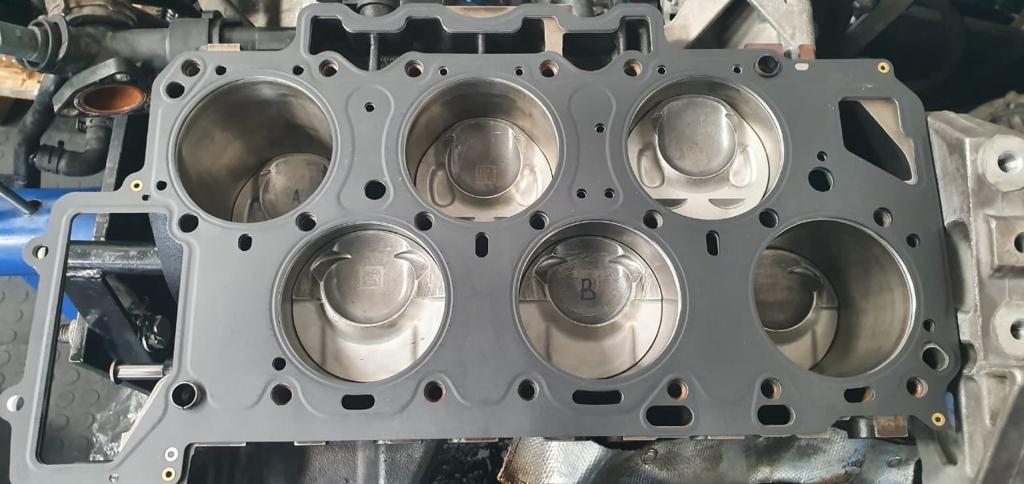
Although the VR6 engine might appear to be an intricate design, its engineering concepts are rooted in a blend of effectiveness and performance. This special configuration integrates the features of a V6 and an inline engine, permitting a compact design that suits smaller sized engine bays. The VR6 includes a slim angle between the cylinder financial institutions, typically around 15 degrees, which minimizes total width while keeping a smooth power shipment. Furthermore, the engine utilizes a solitary cyndrical tube head, streamlining manufacturing and upkeep. This layout improves thermal efficiency and decreases weight, adding to improved handling and responsiveness. With its balance of power and density, the VR6 remains a noteworthy success in auto design, attracting both performance lovers and daily motorists alike.
Historic Importance of the VR6
What makes the VR6 engine traditionally substantial in the vehicle globe? Introduced in the very early 1990s by Volkswagen, the VR6 redefined the small engine design by combining the features of a V6 and an inline engine. This innovative style enabled a shorter engine size, allowing its installment in smaller cars without sacrificing power. The VR6 rapidly obtained popularity for its special noise and smooth performance, ending up being a trademark of various Volkswagen and Audi designs. Its ability to provide an equilibrium of power and performance made it a desirable selection for lovers and makers alike. Additionally, the VR6's influence can be seen in the advancement of engine layout, as it paved the means for more portable and flexible powertrains in the automobile industry.
Efficiency and Effectiveness Comparisons
When contrasting efficiency and performance, the VR6 engine stands out because of its unique layout, which allows it to deliver remarkable power outcome while maintaining good gas economic situation (vr6). The engine's compact setup assists in a balance in between power and weight, enhancing handling and responsiveness. Usually, VR6 engines generate a robust torque contour, adding to a vibrant driving experience. This particular is especially helpful in urban settings where velocity is essential. Furthermore, developments in gas shot and tuning have improved thermal effectiveness, resulting in reduced exhausts compared to various other engine styles. While turbocharged versions may provide higher efficiency, the VR6 manages to provide a rewarding mix of power and efficiency, making it an attractive selection for both enthusiasts and daily motorists alike
Popular Autos Featuring the VR6
The VR6 engine has actually obtained appeal in a selection of automobiles, showcasing its flexibility and performance capacities. Mostly connected with Volkswagen and Audi, this engine setup has actually been featured in models such as the Volkswagen Golf, Jetta, and Passat, where it delivers an equilibrium of power and effectiveness. The Audi A3 and TT also use the VR6, providing a stylish driving experience. Furthermore, the Volkswagen Touareg and Porsche Cayenne have used this engine to enhance their performance in the SUV section. Understood for its portable style, the VR6 enables manufacturers to maximize space while supplying excellent horsepower and torque. This versatility has actually made the VR6 a preferred selection amongst auto lovers and makers alike.
Future of the VR6 Engine in the Automotive Industry
Frequently Asked Inquiries
What Is the Typical Life-span of a VR6 Engine?
The normal life expectancy of a VR6 engine ranges from 150,000 to 200,000 miles, presuming regular maintenance and treatment. Variables such as driving behaviors, ecological conditions, and engine modifications can significantly influence long life.
Just how Does the VR6 Engine Noise Compared to Various Other Engines?
The VR6 engine creates a distinctive grumble, identified by its special shooting order and setup. Contrasted to inline or V8 engines, it offers a smoother noise account, frequently described as a deep, throaty rumble.
Are There Any Kind Of Typical Problems With the VR6 Engine?

What Kind of Oil Is Ideal for a VR6 Engine?
The very best oil for a VR6 engine is commonly a top notch synthetic oil with a thickness rating of 5W-30. This ensures peak performance and protection, especially under varying temperature conditions and driving designs. Routine changes are necessary.
Can the VR6 Engine Be Swapped Into Other Vehicles?
Yes, the VR6 engine can be swapped into other cars, but compatibility depends on elements like mounting factors, transmission choices, and circuitry. Fanatics usually carry out these swaps to improve performance in numerous car models.

Comments on “The vr6 engine innovations that enhance driving”